

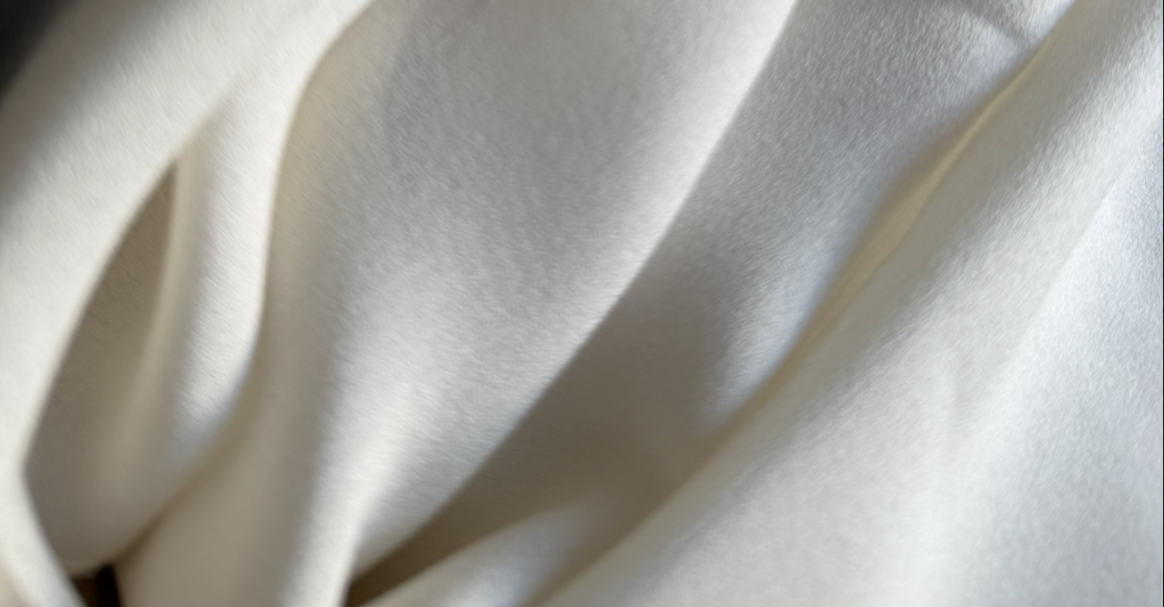
When choosing what we wear, we often focus on how it looks. But what matters just as much – if not more — is what actually touches our skin.
At QADR, fabric is never an afterthought. It is the starting point.
Understanding the difference between natural and synthetic fabrics helps explain why certain garments feel breathable, comfortable, and gentle over time – while others don’t.
Let’s look closer.
What Are Synthetic Fabrics?
Synthetic fabrics such as polyester, acrylic, or nylon are made from petroleum-based plastics.
They are designed for durability and low production costs — not for the human body.
While they may look smooth at first, synthetic fibers:
• do not breathe naturally
• trap heat and moisture
• create friction against skin and hair
Over time, this can affect comfort, skin sensitivity, and even hair health.
What Are Natural Fabrics?
Natural fabrics come from plant or protein-based sources, such as:
• silk
• cotton
• bamboo
• linen
• viscose derived from natural cellulose
These fibers evolved alongside the human body — and behave differently when worn close to the skin.
Breathability: Letting the Skin Breathe
Breathability is one of the most important differences.
Natural fabrics allow air to circulate, helping regulate body temperature and moisture.
This reduces overheating, sweat buildup, and discomfort — especially when garments are worn for long hours.
Synthetic fabrics, on the other hand, tend to trap heat and moisture, creating a closed environment that can feel heavy and uncomfortable over time.
For modest clothing — often layered and worn daily — breathability is essential, not optional.
Friction: How Fabric Moves Against You
Friction is something we feel, even if we don’t always notice it consciously.
Synthetic fibers often create static and resistance, which can lead to:
• irritation
• hair breakage
• discomfort at pressure points
Natural fabrics like silk or cotton move with the body. They are smoother, softer, and reduce unnecessary friction — especially important for undercaps, hijabs, and garments worn directly on skin or hair.
Long-Term Comfort: Not Just the First Wear
Many synthetic garments feel acceptable at first — but change over time.
With repeated wear and washing, synthetic fabrics often:
• lose softness
• become less breathable
• hold odors more easily
Natural fabrics age differently. They tend to adapt to the body, maintaining comfort and softness over time when properly cared for.
At QADR, we design pieces meant to be worn again and again — not just tried once.
Why This Matters at QADR?
What touches your skin matters.
That is why we intentionally choose natural fibers whenever possible, and avoid synthetic materials like polyester or acrylic.
Our approach is simple:
• fabrics should respect the body
• garments should support comfort, not compromise it
• what you wear should feel as good as it looks
This philosophy guides every design decision we make.
Choosing With Intention
Fashion is not only visual.
It is physical.
It is something you live in.
Choosing natural fabrics is a way of choosing:
• comfort over convenience
• quality over speed
• intention over excess